Doodle Cartoon Cats: A Guide to Playful Feline Illustrations
The Anatomy of a Modern Cat Illustration
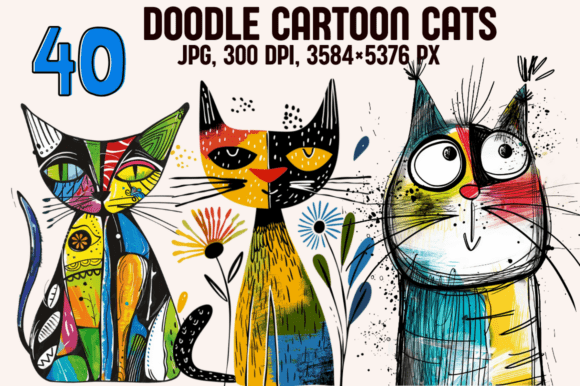
Forget the perfectly groomed, realistic felines you might see in traditional art. The Doodle Cartoon Cats collection is built on a different foundation entirely. It’s about capturing the spirit and attitude of a cat through a lens of artistic freedom. Think of it as the difference between a formal portrait and a candid, funny snapshot. The core of this style lies in its intentional imperfections and expressive energy.
First, you have the bold, confident lines. These aren't shaky, uncertain sketches. They are deliberate strokes that form the cat's shape with clarity and a sense of movement. This line work gives each character a strong graphic presence, making them pop off any background. Paired with these lines are splashes of vibrant, often unexpected color. You might see a cat with a teal body and magenta spots, or a tabby pattern rendered in electric blue and yellow. This isn't about realism; it's about mood and modern appeal.
The personality truly comes alive in the details. The expressive eyes are oversized and full of emotion—curiosity, mischief, contentment, or sheer disdain. Their features are slightly exaggerated: a tail that curls a bit too perfectly, ears that are a touch too pointy, or a belly that suggests a life of leisure. The final, crucial layer is the abstract splatters and texture. These elements add a graffiti-inspired, urban art feel, breaking up the flat areas of color and adding depth, spontaneity, and a contemporary edge. The result is a collection of artsy, free-spirited kitties that feel both timeless and thoroughly modern.
Where These Charismatic Kitties Truly Shine
Understanding the style is one thing; knowing how to deploy it is where the real value lies for creators and businesses. The versatility of Doodle Cartoon Cats is one of its greatest strengths. It’s not just a set of cute drawings; it’s a flexible design asset that can inject personality into a wide range of projects.
For brand identity and logo design, these cats offer a fantastic shortcut to a friendly, approachable, and memorable image. A coffee shop called "The Grumpy Bean," a pet grooming service named "Purrfect Clips," or a children's bookstore could use a stylized doodle cat as their mascot. It immediately communicates a brand that doesn't take itself too seriously and values creativity. In editorial design and publishing, they are perfect for chapter headers, section breaks, or spot illustrations in blogs, magazines, and books, especially those targeting pet owners, lifestyle topics, or creative industries. They add visual interest without overwhelming the text.
The applications extend far beyond print. In the digital realm, these illustrations are gold for social media graphics. A single, charismatic cat can become the cornerstone of an Instagram post, a Facebook cover, or a Twitter header. They are inherently shareable and can boost engagement by adding a dose of whimsy to a feed. For packaging design, particularly for artisanal goods, pet products, or quirky consumer items, a doodle cat can make a product stand out on a crowded shelf. Imagine a tea tin with a cat lounging on it or a snack bag with a mischievous feline peeking inside. For web design, they can serve as engaging loading animations, 404 page buddies, or decorative elements that break up content and guide the user's eye.
Even for personal projects, the charm is undeniable. Crafters can use them for custom t-shirts, tote bags, and stickers. Hobbyists can create unique greeting cards or wall art for their homes. The high-resolution PNG files at 300 DPI and a generous 3584 × 5376 px ensure that the quality remains crisp whether you're printing a small sticker or a large poster.
Integrating Doodle Cats into Your Creative Workflow
So, you're sold on the idea. How do you actually start using these illustrations effectively? It begins with a bit of strategic thinking. First, evaluate the project fit. Ask yourself: Does my project's tone align with playful, energetic, and slightly irreverent art? A corporate law firm's annual report is probably not the place. A startup's app onboarding screen, a podcast cover about quirky stories, or a local animal shelter's fundraiser? Perfect.
Next, consider font pairing. Since the doodle cats are a strong display element, the typography you pair them with needs to complement, not compete. A clean, simple sans serif font for body text is often a safe bet. It provides a neutral backdrop that lets the cats' personality take center stage. For headlines, you could use a bold sans serif or even a playful handwritten font that echoes the casual, doodled style of the illustrations. Avoid overly ornate serif fonts or complex script fonts that might clash with the modern, graphic feel.
When it comes to actual implementation, test for readability and visual hierarchy. If you're using a cat as a background element behind text, ensure there's enough contrast. Use the illustrations strategically as focal points, not as busy wallpaper. Place them where they can draw attention to a call-to-action, highlight a key point, or simply break up a monotonous layout. The collection's 52 images provide a good range of poses and expressions, allowing you to select the right character for each specific context—a sleeping cat for a "rest" section, a curious one for an "explore" feature.
Finally, be mindful of the commercial licensing. For designers, marketers, and small business owners, this is a critical detail. Ensure the license covers your intended use, whether for client work, products for sale, or large-scale distribution. Using these assets correctly not only protects you legally but also adds a layer of professionalism to your work. By treating these Doodle Cartoon Cats as a considered part of your toolkit rather than just clip art, you can leverage their quirky charm to create work that is engaging, memorable, and genuinely connects with your audience.